


.png)
Botswana Safari Budget: Understanding the Costs of Botswana Safaris
Embarking on a Botswana safari is a dream come true for many. The thrill of spotting the Big Five, the serenity of the Okavango Delta, and the rich cultural tapestry of the region create an unforgettable adventure. But before you pack your bags, it’s crucial to understand the financial side of this journey. How much does a Botswana safari really cost? What factors influence the price? And how can you plan your budget to get the most out of your experience? Let’s dive into the details and break down the costs so you can plan your perfect safari without surprises.
Breaking Down Your Botswana Safari Budget
When planning your Botswana safari budget, it’s important to consider several key components. Each element contributes to the overall cost, and knowing what to expect helps you make informed choices.
1. Accommodation
Botswana offers a range of accommodation options, from luxury lodges to budget-friendly campsites. Luxury lodges provide all-inclusive packages with gourmet meals, guided tours, and exclusive access to wildlife areas. These can cost anywhere from $500 to $1,500 per night. On the other hand, mid-range lodges and tented camps offer comfortable stays with fewer frills, typically ranging from $200 to $500 per night.
If you’re looking to save, camping is an option in some areas, costing as little as $50 per night. However, camping requires more preparation and may not include guided tours or meals.
2. Safari Activities and Guided Tours
The heart of your safari experience lies in the activities. Game drives, walking safaris, mokoro (dugout canoe) trips, and boat safaris each come with their own price tags. Guided game drives usually cost between $50 and $150 per person per day, depending on the location and exclusivity.
Some lodges bundle these activities into their accommodation packages, which can simplify budgeting. But if you book separately, be prepared for additional costs.
3. Park Fees and Permits
Botswana’s national parks and reserves charge entrance fees to help conserve wildlife and maintain facilities. These fees vary by park but generally range from $20 to $50 per day. For example, the Moremi Game Reserve and Chobe National Park have daily fees that visitors must pay.
Don’t forget to factor in any permits required for specific activities, such as fishing or night drives.
4. Transportation
Getting to and around Botswana can be a significant part of your budget. International flights to Botswana’s main airport in Maun or Kasane vary widely depending on your departure point. Once in Botswana, you’ll need to arrange transfers to your lodge or camp, often by 4x4 vehicles or small planes.
Light aircraft transfers between remote camps can cost between $200 and $500 per flight. Road transfers are cheaper but can be long and bumpy. Planning your itinerary carefully can help minimize transport costs.
5. Meals and Drinks
If your accommodation is not all-inclusive, you’ll need to budget for meals and drinks. Dining options outside lodges are limited, so most travelers eat at their camps or lodges. Expect to pay $20 to $50 per meal in mid-range establishments.
Alcoholic beverages can be pricey, especially imported brands, so consider this when planning your daily expenses.
6. Tips and Souvenirs
Tipping is customary in Botswana safaris. Guides, drivers, and lodge staff rely on tips as part of their income. Budget around $10 to $20 per day for tipping, depending on the level of service.
Souvenirs and local crafts are a wonderful way to remember your trip but can add to your expenses. Set aside a small budget if you want to bring home unique handmade items.

How to Stretch Your Botswana Safari Budget Without Compromising Experience
You don’t have to break the bank to enjoy a thrilling Botswana safari. Here are some practical tips to maximize your adventure while keeping costs manageable:
Travel in the Shoulder Season: Visiting just before or after peak season can save you money on accommodation and flights without sacrificing wildlife sightings.
Choose Package Deals: Many lodges offer all-inclusive packages that cover accommodation, meals, and activities. These can be more cost-effective than booking everything separately.
Limit Internal Flights: While flying between camps is convenient, it’s expensive. Opt for road transfers when possible to save money.
Book Early: Early bookings often come with discounts and better availability.
Group Travel: Traveling with friends or family can reduce per-person costs for accommodation and transport.
Prioritize Experiences: Decide which activities are must-dos and which you can skip to manage your budget effectively.
Why Can't I Wear White on Safari?
You might wonder why safari guides often advise against wearing white clothing. It’s not just a fashion tip, it’s about safety and practicality.
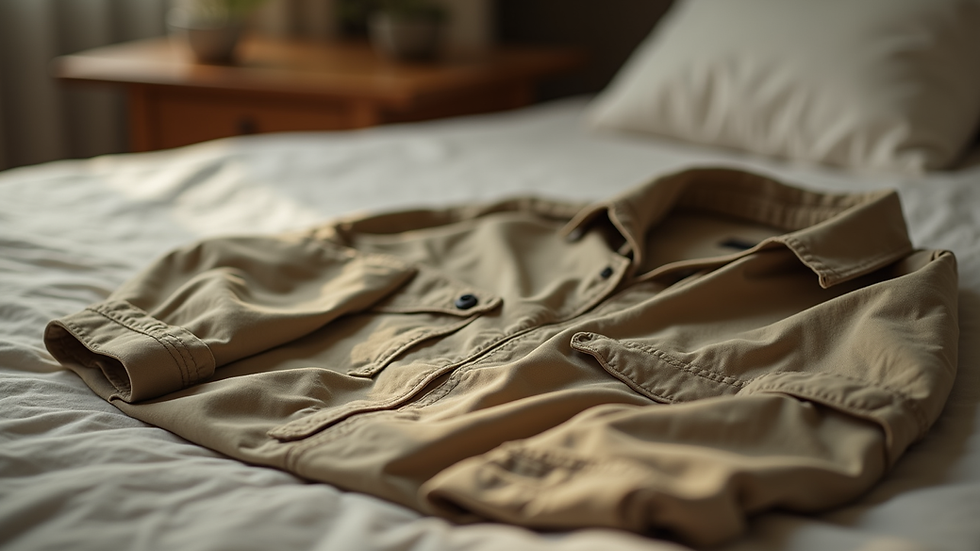
White clothes reflect sunlight, which might sound good in the heat, but they also attract insects like tsetse flies and mosquitoes. These bugs are not only annoying but can carry diseases. Dark, neutral colors like khaki, olive, and brown blend into the environment, making you less visible to wildlife and insects.
Additionally, white clothing shows dirt and stains easily, which is inevitable on dusty safari trails. Wearing darker, breathable fabrics keeps you comfortable and camouflaged, enhancing your overall experience.
So, pack smart. Leave the whites at home and opt for safari-friendly attire that keeps you safe and stylish in the wild.
What Influences the Cost of Safari in Botswana?
The cost of safari in Botswana depends on several factors that can vary widely depending on your preferences and travel style.
Location: Some areas like the Okavango Delta and Chobe National Park are more expensive due to their exclusivity and wildlife density.
Season: Peak season (June to October) sees higher prices due to demand. Off-season rates can be significantly lower.
Type of Safari: Luxury safaris with private guides and exclusive camps cost more than group tours or self-drive safaris.
Duration: The longer your safari, the higher the total cost, but daily rates may decrease with extended stays.
Group Size: Private safaris are pricier per person, while group safaris spread costs among participants.
Inclusions: All-inclusive packages cover most expenses upfront, while budget safaris may require paying for meals, activities, and park fees separately.
Understanding these variables helps you tailor your safari to your budget without missing out on the magic of Botswana’s wilderness.
Planning Your Botswana Safari Budget: Final Thoughts
Planning a Botswana safari budget is about balancing your dream adventure with practical financial planning. From accommodation and activities to transport and tips, every detail counts. But remember, this is an investment in memories that will last a lifetime.
Start by setting a realistic budget based on your priorities. Research options, ask questions, and don’t hesitate to seek expert advice. Whether you choose a luxury lodge or a rustic camp, Botswana’s breathtaking landscapes and incredible wildlife will reward you with an experience like no other.
Ready to start planning your Botswana safari? Dive into the details, book smart, and prepare for the adventure of a lifetime. Your wild journey awaits!


Understanding the real costs of a Botswana safari is a masterclass in value assessment — premium pricing reflects genuine exclusivity, conservation commitment, and extraordinary wildlife experiences that budget alternatives simply cannot replicate, making it one of the clearest examples of spending wisely rather than spending less. For executives applying that same discernment to their financial portfolios, the wealth management seminar & course for executives in Gaborone, Botswana offers the investment frameworks and wealth preservation strategies needed to make high-value decisions with genuine confidence and long-term purpose.